On April 20, 2026, the Lakeville City Council voted 5-0 to pause new residential development for up to a year. Read the headline and you'd assume the cranes stop, the framing crews go home, and anyone hoping to buy new construction in Lakeville is out of luck until spring 2027. Drive through the city today and you'll see the opposite. Framing continues on cul-de-sacs across town, because roughly 1,319 homes already have the paperwork they need to keep going regardless of the pause.
That gap between what the word "moratorium" implies and what it actually does is the thing worth understanding if Lakeville is on your shortlist. The freeze doesn't touch the homes you'll tour this fall. It touches the phase of growth that hasn't been platted yet, which matters enormously if you're eyeing raw land, a not-yet-announced subdivision, or a lot on the city's growing edge, and barely at all if you're looking at a resale or a home already under a roof frame.
What the Ordinance Actually Pauses
The city's own summary is specific about what stops and what doesn't. New residential plat, subdivision, rezoning, and comprehensive plan amendment applications are on hold. Everything already carrying preliminary or final plat approval, along with properties already moving through the Alternative Urban Areawide Review process, keeps going as if nothing changed. Commercial and industrial projects aren't touched at all.
That carve-out isn't a technicality. According to the City of Lakeville, 675 single-family lots and 644 townhome units currently hold that exempt status, a combined 1,319 homes that will be built during the pause whether or not the city approves a single new plat between now and next spring. City Council Member Dan Wolter put it bluntly during the vote:
"People hear the term moratorium, and they assume steam shovels are going to stop moving dirt. That's not the case at all."
Wolter went further, telling reporters the city has enough already-approved projects to cover roughly three years of housing construction. If that estimate holds, the moratorium isn't really pausing supply. It's pausing the paperwork for supply that hasn't been asked for yet.
Why the City Pulled This Lever Now
Lakeville isn't acting out of nowhere. Mayor Luke Hellier has pointed to population numbers that explain the urgency: the city added close to 7,200 residents between 2020 and 2024, more growth than Minneapolis and St. Paul added combined over the same stretch. Housing First Minnesota's data shows Lakeville led the entire Twin Cities metro in residential building permits in 2025. The Lakeville Area School District changed attendance boundaries for roughly 12 percent of elementary students starting this fall, the second boundary shift in two years.
There's a political layer, too. State legislators have been pushing a package sometimes called the "Yes to Homes" agenda, including a Minnesota Starter Homes Act aimed at loosening local zoning control to encourage denser, more affordable housing statewide. Lakeville's council has been explicit that the pause buys time to figure out how to respond if the state overrides local zoning authority, not just to catch up on sewer capacity and school seats. Community Development Director Tina Goodroad noted the exemptions weren't a last-minute favor to anyone. Preliminary plat approval typically takes about 120 days to earn, so the projects moving forward now are ones that were already deep in that process before the vote.
None of this is new territory for Lakeville. The city imposed a similar moratorium in the early 1990s, lifted it about two years later, and settled into issuing up to 550 building permits annually afterward. Growth paused, then resumed on the city's own terms.
Frozen vs. Not Frozen
| Still moving during the pause | On hold during the pause |
|---|---|
| Homes with preliminary or final plat approval | New plat applications |
| Properties in the Alternative Urban Areawide Review process | New rezoning requests |
| Commercial and industrial development | Comprehensive plan amendments |
| Resale listings and homes already under construction | Subdivision applications for undeveloped land |
The Real Fork: Near-Term Buyers vs. Next-Phase Buyers
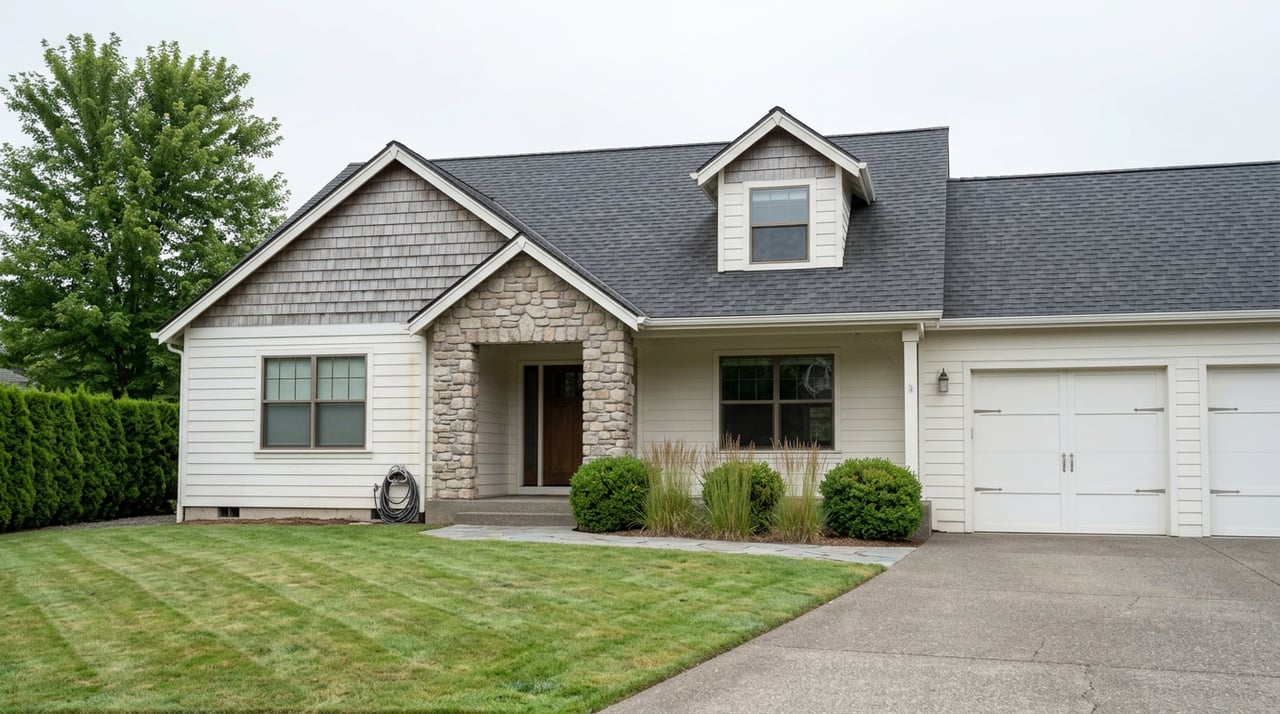
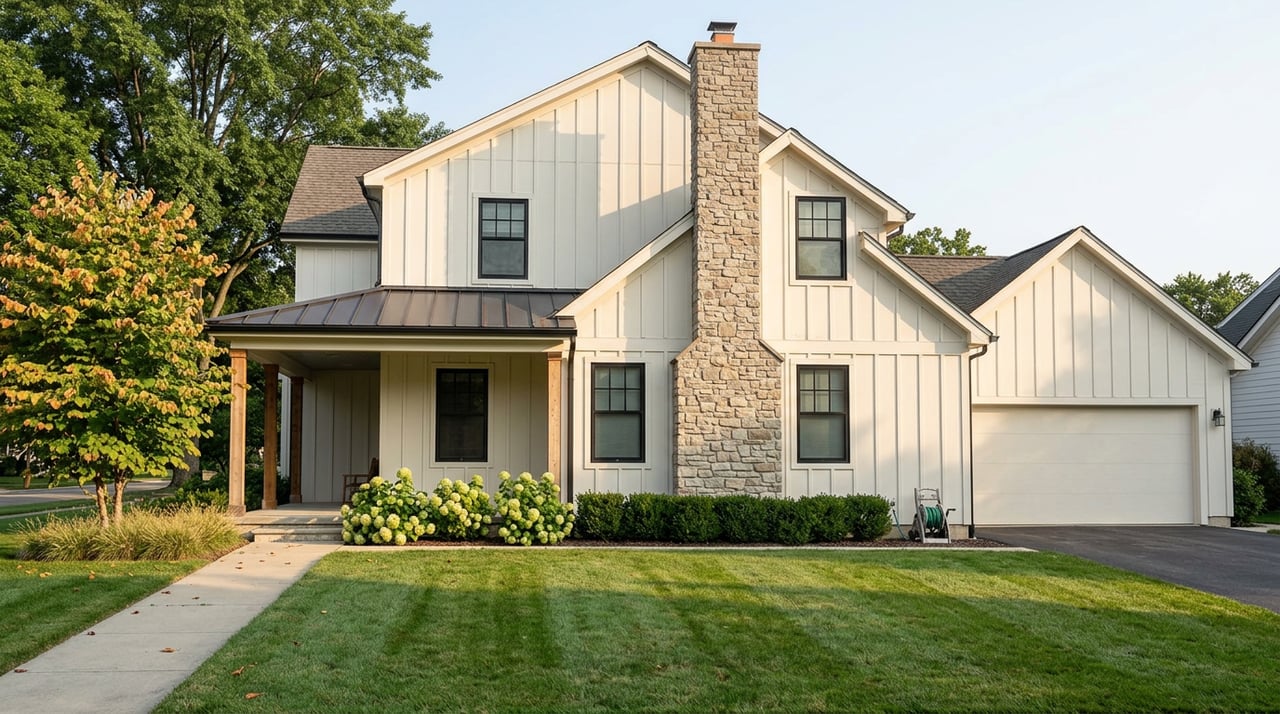
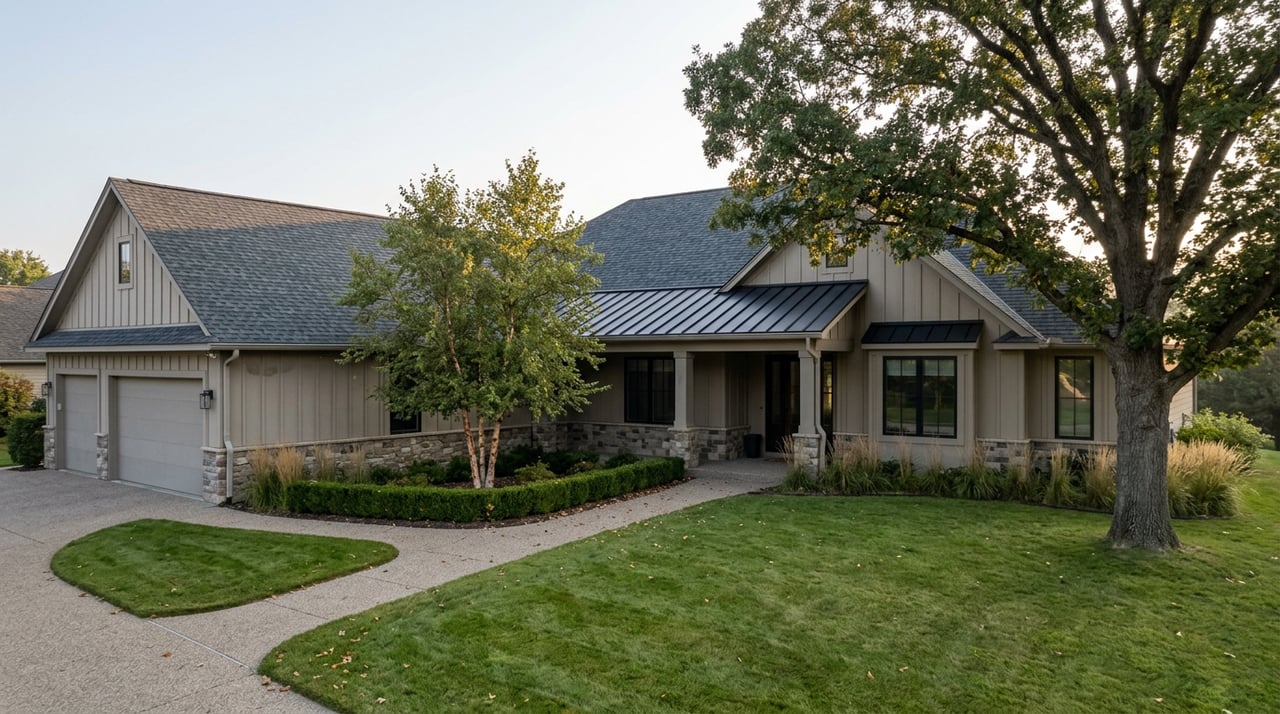
If you're comparing Lakeville to Prior Lake or Farmington because you want a home you can move into within the next year, the moratorium changes almost nothing about your search. As of mid-August 2026, roughly 200 new-construction listings were active in Lakeville, with a median list price near $572,000 and homes typically spending about 95 days on market before selling. Those are homes in already-approved developments like Pheasant Run of Lakeville and Cordelia, along with infill lots in established neighborhoods, working through the exact backlog the moratorium leaves untouched.
The fork shows up for a different kind of buyer, the one hoping to get in early on the next phase of growth before prices catch up. Lakeville still has roughly a third of its land left to develop, much of it concentrated in the southern part of the city near 185th Street West and Dodd Boulevard, where municipal sewer and water lines are extending as part of the Metropolitan Urban Service Area expansion. That corridor is exactly the kind of undeveloped, not-yet-platted land the moratorium was built to slow down. If a lot or a planned development you're watching in that area doesn't already carry plat approval, its timeline now runs through the pause, which is scheduled to lift by April 2027 at the latest, or sooner if the city adopts updated rules before then.
The Argument Builders Are Making, and Why It's Worth Hearing
Not everyone in Lakeville sees the pause as harmless. Sunny Bowman, who owns Dakota County Lumber, testified that a freeze, even a temporary one, would push homeownership further out of reach for young families already struggling to afford a home in the city. Her position, echoed by the St. Paul Area Association of Realtors, is that any constraint on future supply eventually shows up as higher prices, regardless of how much backlog exists today. As she told the council:
"Lakeville doesn't need to stop to stay strong."
Mayor Hellier's response has been that the near-term math doesn't support that fear. More than 100 homes were on the market in Lakeville when the council voted, ranging from around $300,000 to well above that, and he's argued builders who shelve a project this year are more likely to return in two or three years than abandon the market entirely. Both positions can be true at once. The backlog protects buyers shopping this year and next. Whether it protects buyers shopping in 2028 depends on how quickly the city moves through its 2050 Comprehensive Plan update, a process expected to run 16 to 18 months, and how that plan treats the land currently sitting outside the exemption list.
What This Means for Your Timeline
If you're a buyer who wants a new build and wants it soon, the pause is close to irrelevant. The homes carrying plat approval today will keep coming to market on the same schedule they were already on, and Lakeville's existing inventory, including resale homes, isn't affected by the ordinance at all.
If you're specifically drawn to the idea of getting into a brand-new phase of a subdivision before it's built out, particularly anything near the MUSA expansion area, it's worth asking directly whether the land already has plat approval or whether it's still in the application stage. That single question determines whether you're shopping in the part of the market that's moving normally or the part that's paused.
For sellers who own undeveloped or partially developed parcels, especially on the city's edges, the moratorium is a reason to have a conversation about timing sooner rather than later. A property that could have supported a rezoning application in June may need to wait for the comprehensive plan process to finish before that path reopens.
A Few Straight Answers
Does the moratorium affect homes currently listed for sale? No. Resale listings and homes already under construction with plat approval are unaffected.
When does the pause end? Up to one year from April 20, 2026, so by April 2027 at the latest, or sooner if the city adopts updated development rules before then.
Does it apply to commercial construction? No. The ordinance is limited to residential plat, subdivision, rezoning, and comprehensive plan amendment applications.
Will this make Lakeville homes more expensive? Builders and housing advocates argue it could, by slowing future supply. City officials argue the near-term effect is minimal given the size of the already-approved backlog. Both are reasonable positions given different time horizons, and the honest answer is that nobody will know for certain until the comprehensive plan work concludes.
Lakeville's price data tells a similar story about reading past the headline number. Depending on whether a source is tracking closed sales, list prices, or a modeled home value index, 2026 figures for the city have ranged anywhere from the mid-$400s to over $550,000. The moratorium is the same kind of situation. The number that matters isn't the word "moratorium" itself, it's whether the specific home or lot you're looking at falls inside the exemption or outside it.
If you're trying to figure out which side of that line a Lakeville property sits on, or how the city's growth plans might affect a parcel you already own, Shara Schmidt can help you look at the actual plat status before you make a decision either way. Let's Connect.